
Why an unregistered diamond could soon be worthless on the resale market.

April 10, 2026 | Seattle, WA
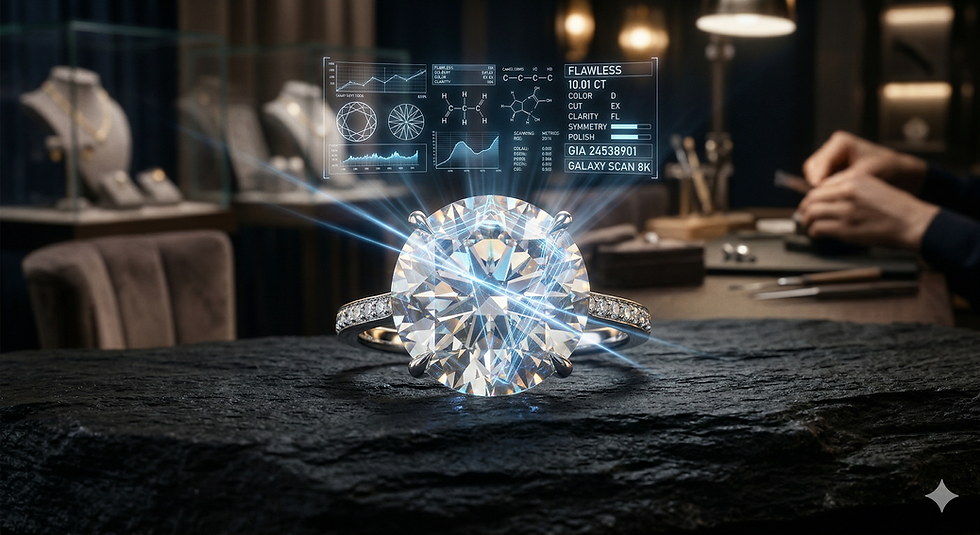
The luxury jewelry industry is crossing a definitive frontier. Excellence is no longer defined solely by the cut of a diamond or the purity of 18k gold; today, the ultimate hallmark of luxury is data integrity. The Digital Product Passport (DPP) has evolved from a futuristic concept into the mandatory standard for transparency, provenance, and enduring value under the EU’s ESPR (Ecodesign for Sustainable Products Regulation).
From the perspective of Niftmint’s infrastructure, the DPP is not merely a compliance requirement it is the immutable digital soul of every masterpiece entering the market.
Strategic Benefits of the DPP in Luxury Jewelry
1. Fortified Provenance vs. Ethical Conflict
The market for high jewelry, rare gemstones, and investment-grade timepieces is built on trust, yet it remains a primary target for synthetic displacement and ethical ambiguity.
Blockchain Digital Twins: Utilizing our proprietary technology, every piece possesses a unique identity etched onto the blockchain, linking the physical jewel to its digital heritage.
Estate Equity & Resale Value: This immutable record protects brand equity and secures the investment value in the secondary market, where provenance is the difference between a sale and a legacy.
2. Traceability of "Conflict-Free" Brilliance
The modern collector demands more than beauty; they demand radical transparency. The DPP allows for a full, unalterable breakdown of a piece’s DNA:
Ethical Sourcing: Verification of mine-to-market origins for stones and the ethical sourcing of recycled precious metals.
Artisanal Transparency: Recognition of the master goldsmiths and documentation of the fair-labor conditions behind the craft.
Gemological Precision: Hard data on carat weight, clarity, color, and GIA/IGI laser-inscription registries.
3. Circularity and the Eternal Lifecycle
Luxury is, by definition, meant to last forever. The DPP acts as a roadmap for preservation and responsible evolution:
Material Recovery: Provides refiners with exact metallurgical data needed for responsible upcycling or resizing without compromising alloy integrity.
Heritage Business Models: Enables Maisons to scale buy-back programs, Certified Pre-Owned (CPO) collections, and heirloom restoration services.

The Niftmint Edge: From Regulation to Rare Privilege
While some see the DPP as a regulatory burden, Niftmint views it as a strategic opportunity to deepen the bond between the Maison and the collector. Every physical creation is linked to a secure Digital Twin, unlocking a suite of elite features:
Verified Authenticity: The DPP provides the "Proof of Origin" required by law. Niftmint uses this to give collectors instant peace of mind. A simple scan proves the piece is a genuine creation, protecting your house from counterfeits.
Secure Resale & Ownership Transfer: Because it carries a permanent history, the digital twin makes the secondary market safe. When a masterpiece is auctioned or gifted, the twin and its verified provenance transfer seamlessly to the new owner.
Permanent Digital Appraisals: No more lost paper certificates or faded reports. The appraisal and certification live permanently within the digital twin, providing a seamless insurance and valuation experience.
AI-Driven Luxury Concierge: Authenticated data allows for a new level of service. Niftmint’s AI uses the collector’s history to provide bespoke recommendations, from matching earrings to private viewing invitations for new collections.
Exclusive Access & Rewards: Niftmint transforms the jewelry box into a key. Brands can reward loyal collectors with exclusive access to "digital drops," high-society events, or priority commissions based on their authenticated collection.

What is a Digital Product Passport (DPP)?
A DPP is a secure digital record that follows a physical product throughout its entire lifecycle, containing vital sustainability and origin data.
When does it take effect?
Under Regulation (EU) 2024/1781, sectors including textiles and footwear must implement these passports progressively through 2030.
How is it deployed?
Through digital bridges such as QR codes embedded directly into the garment and linked to a secure cloud or blockchain registry.
The Digital Product Passport is the missing link between true sustainability and customer experience. Sportswear brands that adopt this technology today will not only be ready for European regulations but will also win the race for consumer trust.
Is your brand ready for change? At Niftmint, we are guiding businesses toward a smart, authentic commerce infrastructure.


Greetings everyone. Uneven, cracked flagstone on the front walk was becoming a trip hazard, so I looked for a proper masonry repair rather than a temporary patch. The overview at https://automaticmasonry.com/flagstone-masonry/ covers Automatic Masonry’s flagstone work across Toronto and the GTA — new installation for patios, walkways, and driveways, as well as repairs, levelling, and mortar joint replacement. Durability, safety, and a timeless look are emphasised. Practical if outdoor stone needs lasting attention.