
Why the physical product is only half of the sale and the digital twin complements it

May 5, 2026 | Seattle, WA

When I talk to brands about the future of commerce, the concept of Digital Twins always comes up. Many think it's just an industrial simulation or a pretty 3D rendering, but from my perspective in the Web3 ecosystem and retail, a Digital Twin is much more: it's the ultimate bridge of trust between the physical and digital worlds.
In today's business world, it's no longer enough to sell a physical product and forget about it. The real opportunity lies in continuity. A digital twin an exact, data-driven virtual representation of an object, process, or system allows a brand to stay connected with the customer long after they leave the store.

Why is this a technological game-changer? Because we're moving from simple observation to prediction and authenticity. If you have a digital twin of an engine or a supply chain, you can predict failures before they happen, optimizing resources and saving millions. But when we move to mass consumption, the Digital Twin becomes the immutable certificate of authenticity. Thanks to blockchain technology, this digital twin guarantees that what you hold in your hands is real, traceable, and, above all, yours.
For any business leader, the importance of adopting this technology lies in operational efficiency and user experience.

Operationally: You can simulate scenarios without risk. Want to change your production line? Do it first in the digital twin.
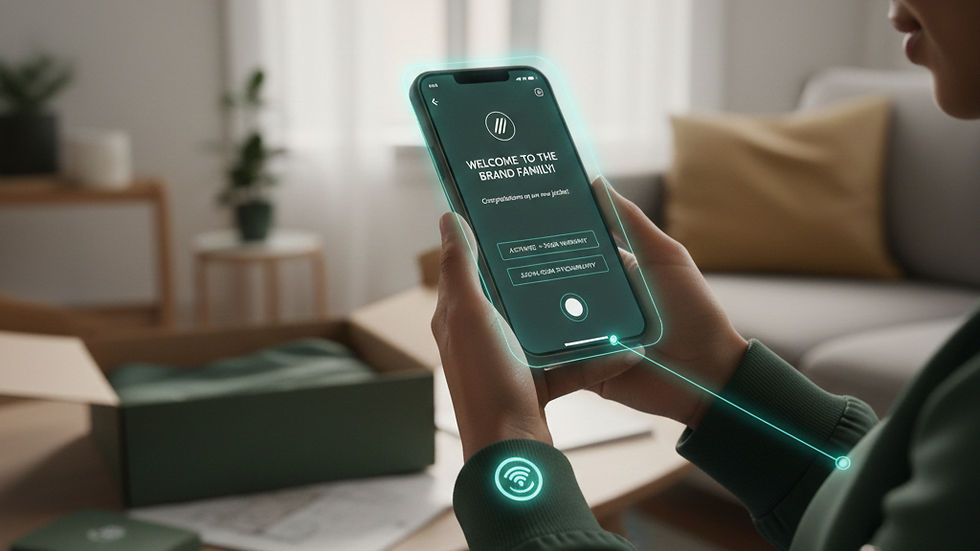
Experientially: You create a new layer of engagement. The physical product is the hardware, and the digital twin is the software that enables updates, loyalty programs, and a direct connection with the end consumer.
It's not about adopting technology simply to be 'innovative.' It's about understanding that in the modern economy, data is the most valuable asset. A business without a Digital Twin strategy is operating blindly, missing the opportunity to understand the real lifecycle of its products and how its customers interact with them.
The future isn't just physical or just digital; It is a hybrid existence where the digital twin is at the heart of transparency and business efficiency.


To check authentication results across multiple relays, simply paste your raw transmission details into www.mxheader.com for a structured breakdown.
With my driver’s license renewal coming up, I wanted to know the real cost of a proper eye exam before booking. In the middle of my research, https://optyx.com/how-much-does-it-cost-to-have-an-eye-exam-in-new-york/ became the resource that stood out. This practical article from Optyx explains typical eye exam prices across New York, what influences the cost, the difference between basic vision tests and full comprehensive exams, and how insurance or discount programs can help. Readers frequently mention it removed the uncertainty and helped them find affordable, high-quality care.
Hello friends! During a conversation about wellness programs, one of my friends mentioned that she found her clinic through https://ways2well.com/company/locations and said the process was easier than expected. I visited the site later and noticed right away that the locations were displayed clearly without unnecessary distractions. What interested me most was how simple it felt to compare different offices and services. I spent more time browsing than I originally planned because the information was actually easy to follow.